
Shopify vs Custom Storefront for Growing D2C Brands in India
By Mantravi TeamMay 28, 20268 min
Shopify gets you live fast; custom Next.js storefronts win on speed, SEO, and checkout flexibility. Here is how growing Indian D2C brands should choose.
In this article
Indian D2C brands often launch on Shopify because speed beats perfection early. Themes, payment apps, and inventory tools are one click away. But as paid CAC rises and organic search becomes a growth lever, template limits show up: slow mobile pages, rigid collection UX, and app stacks that conflict. The question is not Shopify or custom forever — it is which tradeoffs match your stage.
When does Shopify still win?
Choose Shopify when you need to ship in weeks, have a focused SKU count, and standard checkout flows. Marketing teams benefit from native discounts, simple A/B via apps, and operational familiarity. For many beauty, apparel, and food brands under early scale, platform fees are cheaper than a dedicated engineering squad.
When should you invest in a custom storefront?
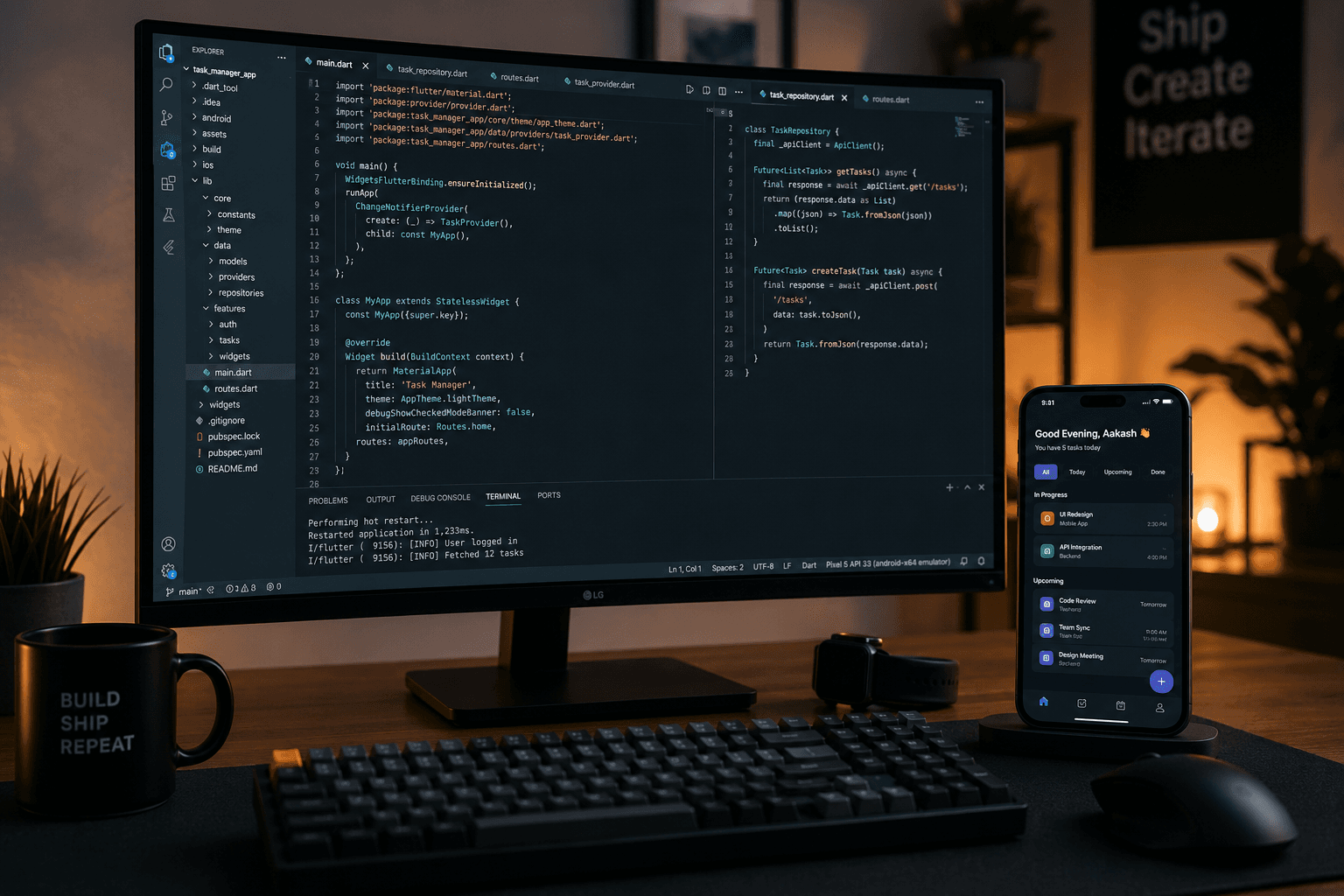
Custom (usually Next.js plus a commerce backend) makes sense when performance directly impacts conversion — think heavy imagery, interactive configurators, or subscription bundles. SEO-led brands also benefit from server-rendered collection pages, fine-grained metadata, and structured data without theme hacks. If your team spends more time fighting Liquid than launching campaigns, the balance has shifted.
| Factor | Shopify theme | Custom / headless |
|---|---|---|
| Time to launch | Fast | Moderate |
| Mobile performance | Varies | Optimizable |
| Unique UX | Limited | Full control |
| Indian payments | App-based | Integrated |
| Total cost at scale | Apps + fees | Engineering + infra |
What about headless as a middle path?
Headless keeps Shopify (or another backend) for catalog, orders, and admin while your frontend team owns experience. This is popular among Indian brands that outgrew themes but are not ready to replatform operations. You gain Core Web Vitals control and component reuse for content marketing — at the cost of two systems to maintain.
We have shipped D2C experiences like Ameyru with performance and merchandising tailored to mobile-first buyers.
Outgrowing your theme?
Plan a headless storefront without breaking operations
How do you decide this quarter?
Audit conversion by device, list top theme blockers, and estimate monthly app plus agency workaround costs. If workarounds exceed a structured rebuild over 18 months, start discovery for headless or full custom. If not, optimize Shopify — better photography, fewer apps, and a faster theme often buys another growth year.
Frequently asked questions
- Can Shopify handle UPI and Razorpay well?
- Yes, via payment apps and gateways common in India. Custom flows (partial COD, prepaid discounts) may need Shopify Functions or a headless checkout.
- When is custom cheaper than Shopify long-term?
- When monthly app fees, theme hacks, and performance fixes exceed the amortized cost of a lean custom stack — often after ₹50 lakh+ annual GMV for experience-led brands.
- Does custom mean building a cart from scratch?
- Not necessarily. Many teams use Shopify, Medusa, or Commerce tools as backend with a custom Next.js storefront for speed and SEO.
- How long does a headless migration take?
- Typical migrations run 10–16 weeks depending on SKU count, integrations, and whether you replatform operations or lift-and-shift catalog.
- What about SEO during migration?
- Plan 301 maps, preserve collection URLs, and benchmark Core Web Vitals before cutover. Staged rollouts reduce ranking risk.
About the author
Mantravi Team
Engineering
Insights from the Mantravi engineering team.